
Latest News
Forthcoming Events
Tree Surveys
08.04.24
Thanks to a grant received from Ripon City Council, FOHW were able to commission a survey of trees and woodland areas on Hell Wath by an independent arborist. This survey took place on 12th February and the full report produced by Symbiosis Consulting Limited can be read by clicking here....
Read More
Grassland Restoration
03.01.24
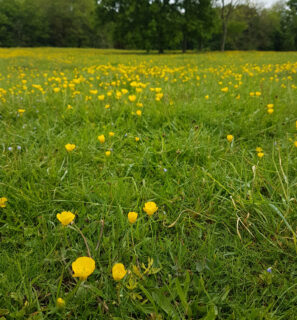
Please click on the link below to see details of planned scrub management due to be undertaken on Hell Wath on 15th and 19th March. Some work has already been undertaken and this work will complete the scrub management for 2024. Grassland Restoration Poster
Read More
Skell Valley in The News
03.01.24
The Skell Valley Project team are very pleased to be able to share with you a clip from ITV News that the project team filmed back in November. Given all the rainfall we’ve had over Christmas (and without tempting fate), the Fountains Estate hasn’t experienced the flooding we’ve seen in...
Read More
Successful Tree & Hedge Planting
15.12.23
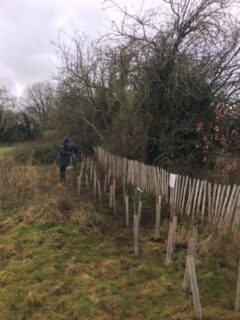
A BIG THANK YOU to our FOHW and Open Country volunteers whose efforts have resulted in three new hedgerow habitats being planted on Hell Wath. All the hedgerow saplings are native species, selected to provide seasonal flowers, berries, fruits and habitats for insects, butterflies, moths and small mammals. The first...
Read More
Fungi on Hell Wath
08.11.23
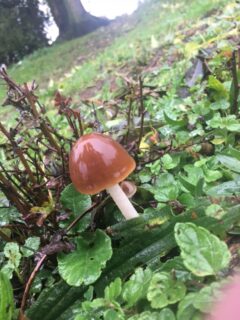
FOHW had noticed a large number of different fungi growing in the area where blackthorne scrub had been cleared a couple of years ago. We are keen to monitor how the biodiversity of this area increases over time so a Fungus Survey took place on 5th November 2023. The results...
Read More
Updated - Tree & Hedge Planting on Hell Wath
28.10.23
On December 8th & 9th, 50 native tree saplings and about 800 hedgerow whips will be planted on Hell Wath. The Friends of Hell Wath are grateful to North Yorkshire Council for funding purchase of the saplings; and the Woodland Trust and The Conservation Volunteers for donating the hedgerow whips....
Read More
Himalayan Balsam Update
29.09.23
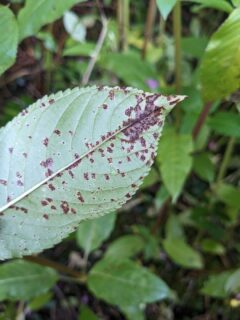
Himalayan Balsam is an invasive plant species and a nuisance as it colonises river banks, damp woodlands and increasingly meadows. It successfully competes with native plant species for space, light, nutrients and pollinators, and excludes other plant growth, thereby reducing native biodiversity. Until recently, the main way to tackle the...
Read More
© Friends of Hell Wath 2026. All Rights Reserved. Site by Bronco